Paratransit Access Is an Economic Opportunity
.jpg)
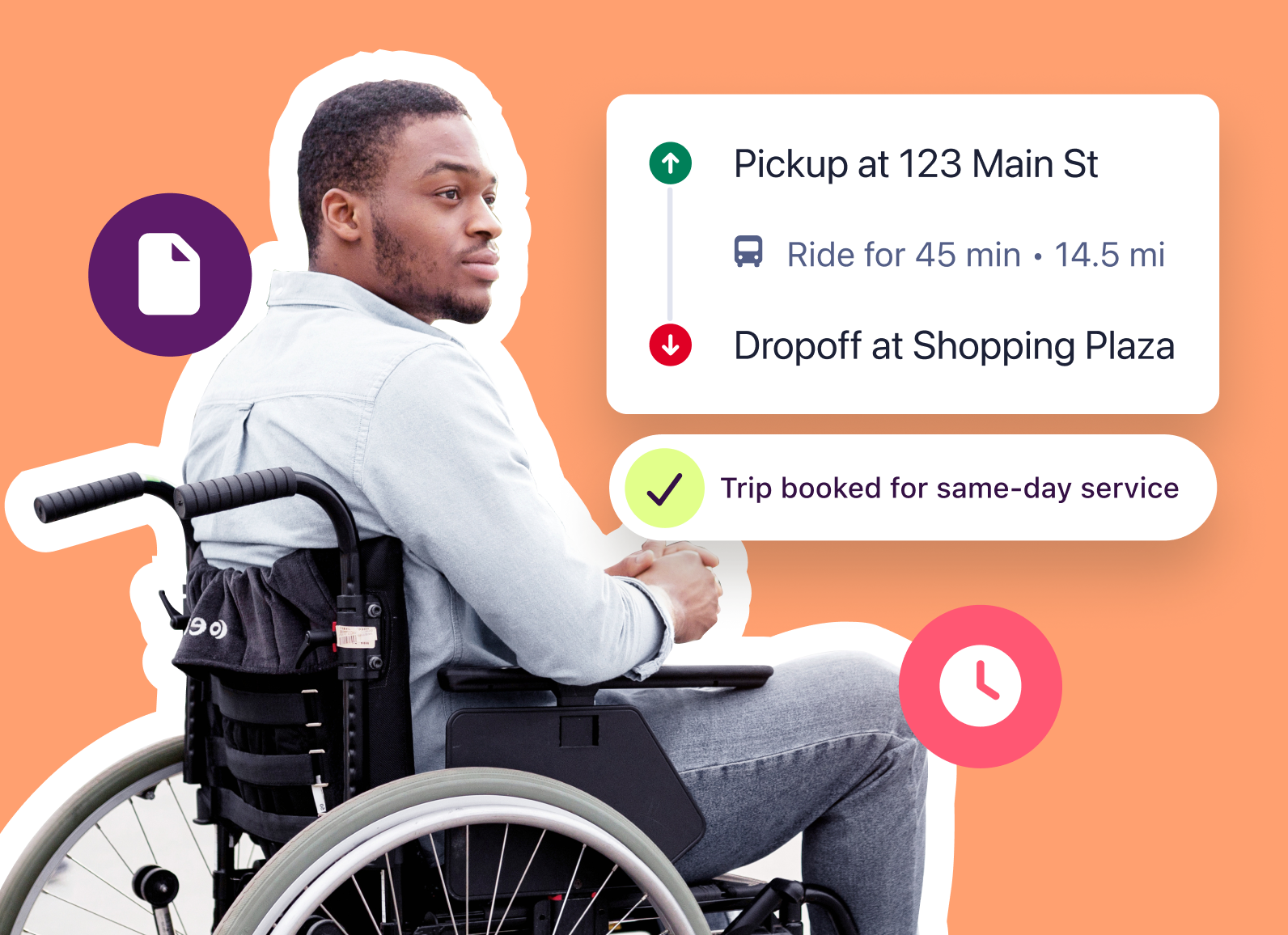
For decades, if you relied on paratransit to get around, planning your life meant planning days in advance. Need to get to a job interview tomorrow morning? Book it today and hope the interview doesn't get moved. Want to meet a friend for coffee on a whim? That's not really how paratransit works.
That's not a minor inconvenience. It's a structural barrier that quietly shapes what's possible for an estimated 18.6 million Americans with travel-limiting disabilities and older adults, every single day.
That's why I'm encouraged by the Same-Day Paratransit Innovation Act, introduced by Congresswoman Lateefah Simon (D-CA-12), a proposed federal bill that would give transit agencies real incentives to move beyond the next-day booking model that has defined ADA paratransit for over 30 years.
The stakes are real
When we talk about paratransit as a compliance exercise, we lose sight of what's actually at stake. A missed ride can mean a missed medical appointment, a lost shift, or a job opportunity that doesn't come back around.
Over 80% of young adults with disabilities say they're regularly held back from activities because of transportation barriers. The current system makes riders plan their lives around its limitations. You don't get to decide if you want to go somewhere today. You have to have decided yesterday.

What the bill does
The Same-Day Paratransit Innovation Act is an incentive program, and a smart one.
The bill increases the federal share for both capital and operating costs, so agencies can get same-day programs off the ground. Once those programs are running and set up using best practices, they don't add to agencies' capital costs over time.
The bill also directs the FTA to establish minimum software technology standards within 1 year of enactment. Too many agencies are locked into aging platforms that can't connect to modern ride providers or support flexible services such as same-day paratransit. A clear technology baseline gives agencies the foundation to build on as their needs evolve.
Same-day service is good for communities
There's an economic and social case here that doesn't get made enough.
Working-age Americans with disabilities face a 8.3% unemployment rate. Transportation is a direct part of that story. When riders can only book trips 24 hours out, they can't respond to a shift posted that morning or get to an interview they heard about today. Our 2025 Impact Report found that people with disabilities are nearly 50% less likely to use local transit, that gap represents jobs not taken and appointments missed. Same-day paratransit won't solve unemployment on its own, but removing a structural barrier to showing up is a real contribution to local workforce participation.

A neighborhood coffee shop, a Friday night event at the community centre, a spontaneous trip to a farmers market. These are the kinds of things next-day booking quietly locks people out of. I've even heard from families who chose where to live based on the quality of local paratransit service. The impact reaches well beyond the rider themselves. The communities that invest in same-day accessible mobility aren't just meeting a legal standard. They're building places that work for everyone.
A vision worth aiming for
This bill is a meaningful step, and there's work to do to get it right. The bill requires the FTA to consult riders with disabilities in developing it further. That consultation should be robust and ongoing. The people best positioned to define what "accessible" means in practice are the ones who depend on this service every day.
Same-day paratransit is a statement about who gets to participate fully in community life. This bill creates the conditions to make that possible. For riders who've waited long enough, that's a future worth fighting for together.


From the blog
-min.png)


“Once we unified dedicated vehicles and TNCs on a single platform, the experience changed immediately for riders. They could see their trip in real time, understand their fare, and know what to expect. From a staff perspective, it eliminated confusion and allowed us to focus on service instead of troubleshooting.”