Fixed Route Service, Now in Spare’s Unified Platform

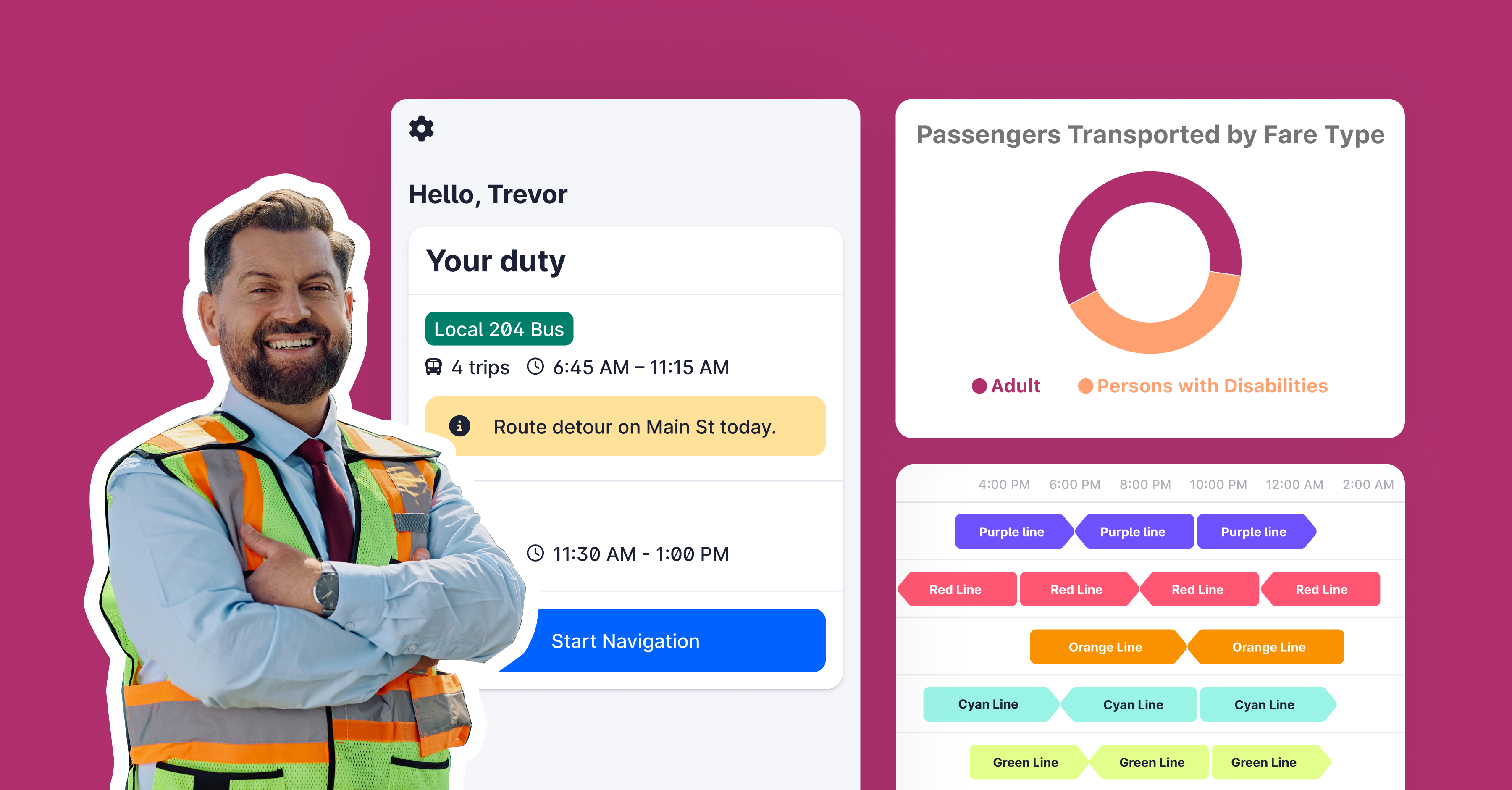
Running transit has always meant juggling tools that weren't designed to work together. Planning in one system, dispatch in another, GTFS in a third. Teams spent more time moving between platforms than focusing on service.
Demand-response operators can now manage fixed route service on the same platform. No switching between systems, no separate logins, no fragmented view of your network.
Spare Fixed Route changes that.
It extends Spare’s AI-native operational intelligence across services, giving agencies a shared intelligence layer across fixed route, microtransit, paratransit, and asset management. Agencies can manage every mode from one login, one map, and one operational foundation, covering planning, dispatch, rider information, and real-time service management.
But consolidation is just the start. When every route, trip, delay, and rider interaction flows through the same system, agencies can start coordinating their network in ways that siloed tools simply don't support.
A platform built for the full network
The biggest shift happening in transit technology isn’t about any single feature. It’s the move from managing individual service types to operating and optimizing an integrated intelligent network.
Most agencies don't run just one type of service. Fixed route covers core corridors. Microtransit reaches neighborhoods where a full route doesn't make sense. Paratransit serves riders who depend on it most. These services support the same community, but they've traditionally lived in separate systems with separate workflows and operational data.
That separation has real costs: duplicated effort, disconnected rider experiences, operational blind spots, and staff spending too much time managing technology instead of managing service.
When fixed route, demand-response, and asset management operate from a shared platform, agencies get a real-time, network-wide view of how service is being delivered. That shared foundation makes it possible to:
- surface transfer opportunities across modes
- identify service gaps as they emerge
- coordinate first- and last-mile connections
- recommend the most cost-effective mode for a trip
- help riders navigate multimodal journeys more confidently
With Spare Fixed Route, agencies can run every mode from a single operational and intelligence layer across the network.
"Transit agencies need technology that matches the way service actually works, not a collection of disconnected systems," said Kristoffer Vik Hansen, CEO and Co-Founder of Spare. "Our vision is to create a single, AI-native platform that connects planning, operations, and rider information across every type of transit service. This unified intelligence layer helps agencies bring those services together in a smarter way by spotting transfer opportunities, reducing operational blind spots, and improving how the whole network works. Fixed route is a key part of that vision, and this launch is another step toward giving agencies one flexible foundation for running public transportation."
Planning the way transit actually works
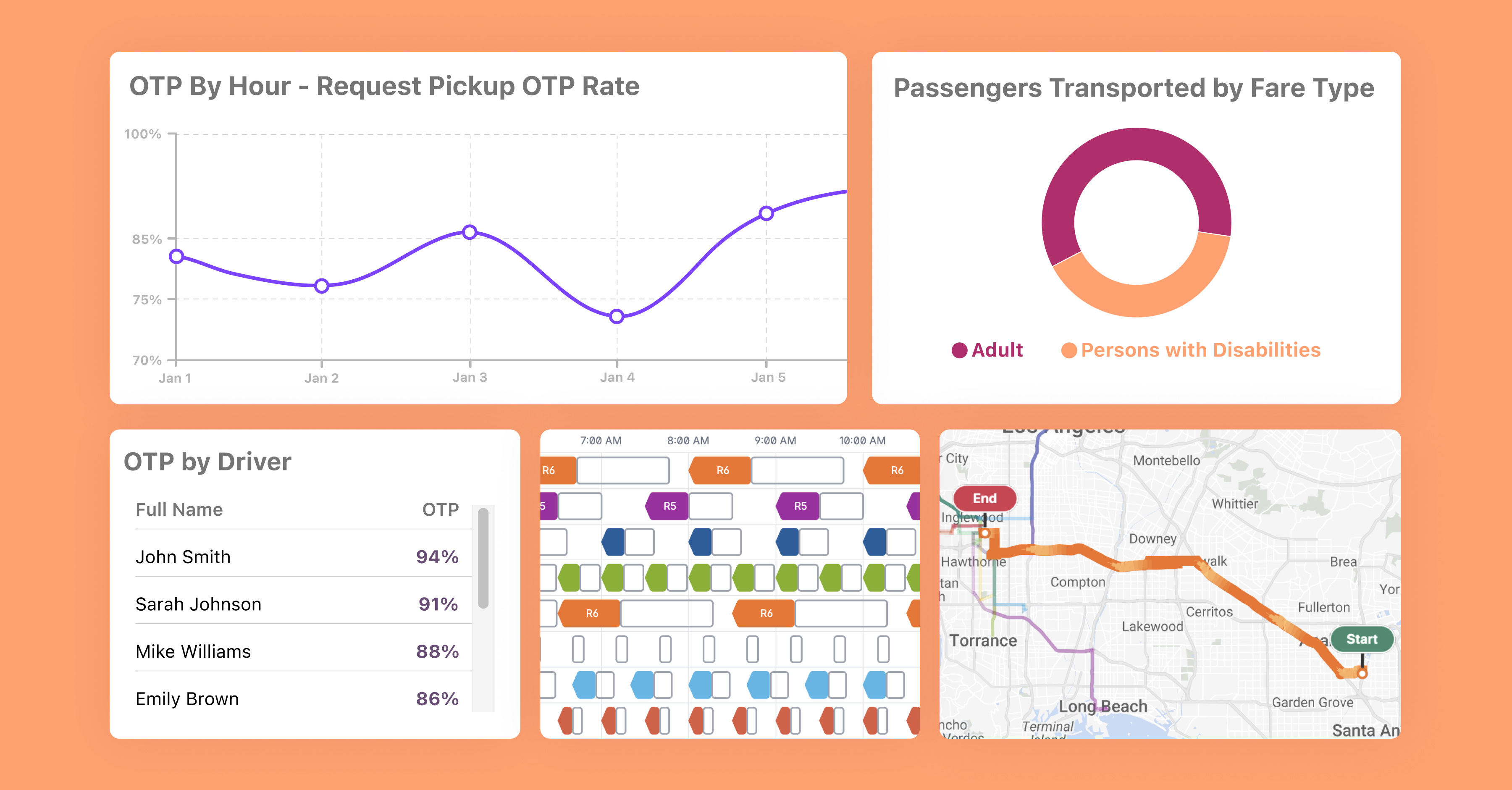
Service planning shouldn’t require a spreadsheet on one screen and a mapping tool on another. With Spare, planners design routes and stops directly on a live map, the same map dispatchers watch and drivers navigate.
Build a new route, set stop patterns, create weekday and weekend schedules, and get service ready for the season. Service plans stay separate from day-of changes, so your team can handle real-time disruptions without touching the underlying schedule.
No exporting files between systems. No wondering whether dispatch is working from the same version you built the plan in.
That’s the advantage of a unified platform. Planning, operations, rider information, and real-time service management happen in the same environment, with shared data and shared context across every mode.
One screen, every mode
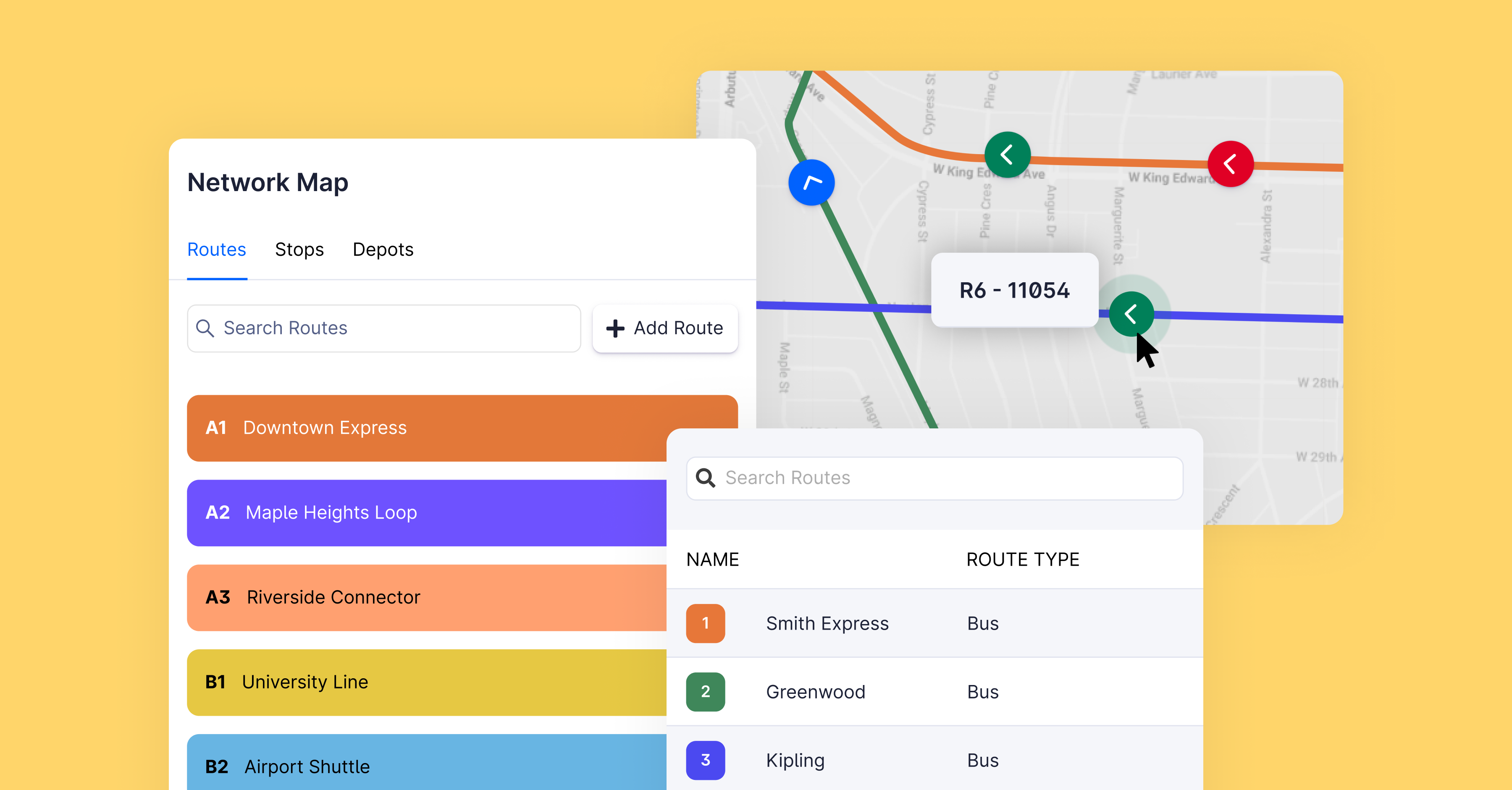
When service is running, dispatchers see every vehicle on a live map, including which ones are early, late, off route, or out of contact. When traffic or a detour changes things, they update the route in real time and drivers see it immediately on their tablets.
Drivers see their route, upcoming stops, and whether they're running on time. Riders see accurate, real-time information in the apps they already use because Spare is the system of record for GTFS data. Schedule changes are published automatically, and live vehicle locations update continuously.
But the real advantage comes from what happens when every mode operates from the same intelligence layer.
Because fixed route and demand-response share operational context, agencies can coordinate across modes in ways that siloed systems can't support. This improves transfers, reduces operational blind spots, and helps riders navigate multimodal journeys more seamlessly.
Proven across the network
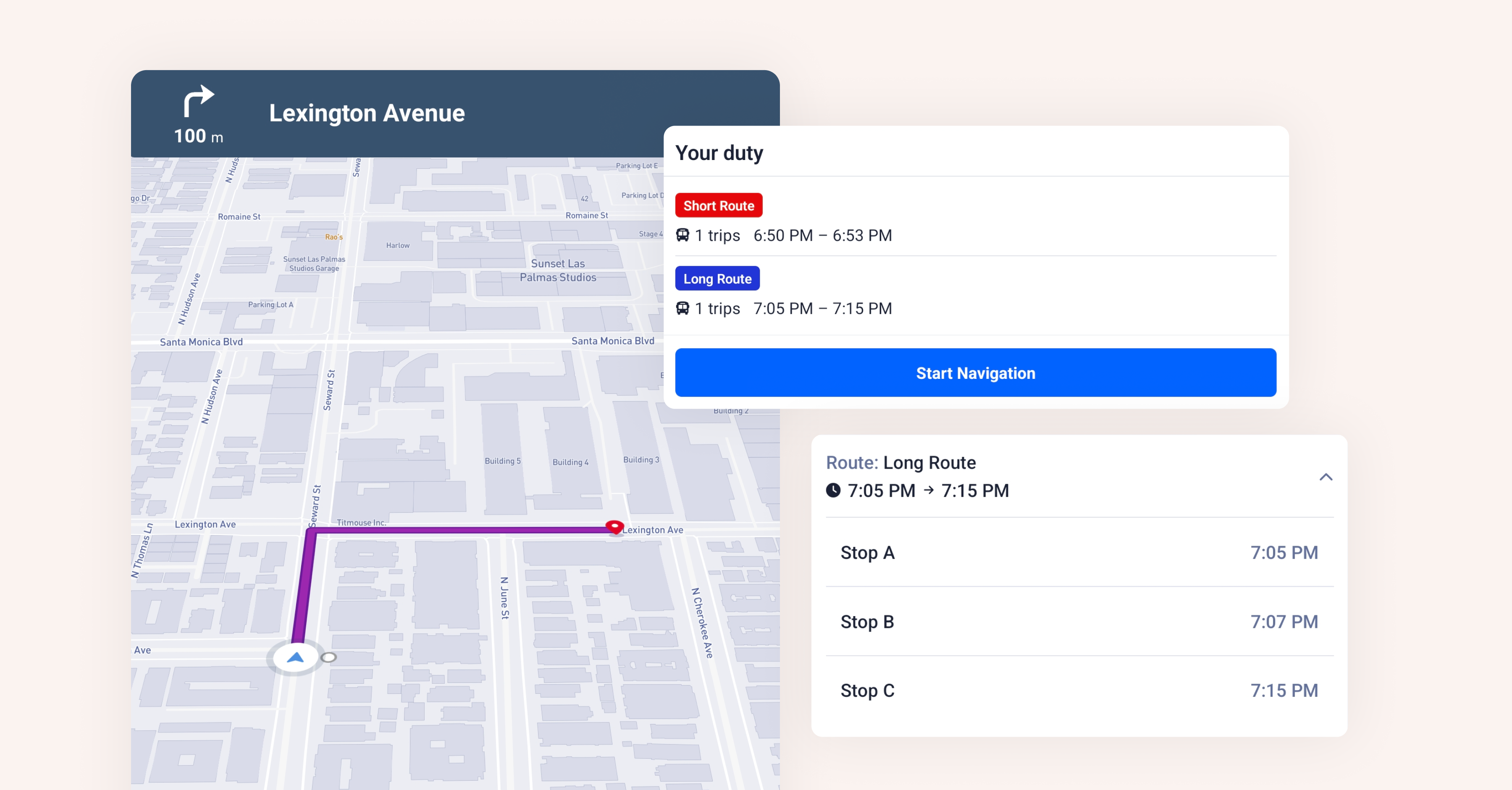
Agencies already using Spare’s unified platform have experienced this transformation firsthand. Spare Fixed Route extends this same AI-native operational intelligence to fixed route service, giving agencies a single foundation for every mode they run.
"Spare is a true all-in-one solution that lets us run every service mode without friction. That level of integration is rare in our industry, and the ability to manage multiple service types from one platform has materially reduced operational complexity across our portfolio. In each community — North Miami Beach, Coral Springs, and the City of Tamarac — Spare has directly contributed to increased service utilization and dramatic improvements in operational productivity." — Logan McLeod, SVP Business Development, ProKel Mobility
Fewer vendors, fewer handoffs, and a smarter network
The value of a unified platform isn’t just operational efficiency. It’s the ability to operate transit as a connected, intelligent network.
When planning, dispatch, rider information, and every mode of service live in the same platform, agencies gain more than visibility. They can coordinate service dynamically, respond faster to changing conditions, and continuously improve how the network performs. That's especially important as agencies face pressure to deliver more service with leaner teams and tighter budgets.
Instead of stitching together disconnected systems, transit teams operate from one shared picture, with AI helping surface insights and reduce the manual overhead of running multimodal service.
For agencies, that means:
- fewer vendor relationships
- fewer integration issues
- less duplicated work
- a stronger foundation for what comes next
The future of transit isn’t isolated modes operating independently. It’s connected networks operating intelligently together.



.png)

“Once we unified dedicated vehicles and TNCs on a single platform, the experience changed immediately for riders. They could see their trip in real time, understand their fare, and know what to expect. From a staff perspective, it eliminated confusion and allowed us to focus on service instead of troubleshooting.”