Cheyenne Transit Builds a Better View of Its Network With Spare

Cheyenne is Wyoming’s capital and largest city, home to roughly 65,000 residents in the southeast corner of the state. Across the city, the Cheyenne Transit Program (CTP) connects residents to work, appointments, shopping, and their community through fixed route, ADA paratransit, and scheduled on demand service for riders beyond its fixed route corridors.
Its fixed route network is intentionally straightforward. Four core routes run every 30 minutes, generally with one bus assigned to each route. CTP’s fixed route service has also been fare free since September 2023, removing one barrier to getting around Cheyenne.
But the city around that network is changing. The Westland development is expected to reshape where people live and travel, creating the potential need for new stops, route changes, and expanded service.
For CTP, preparing for that growth meant getting a much clearer picture of how its network operates today.
Building on years of change
CTP is no stranger to adapting its service.
During and after the pandemic, the agency shifted from fixed route to an on demand model before eventually returning to fixed route service. Through those changes, one challenge kept surfacing. Riders, dispatchers, and planners needed better access to the same information about what was happening across the network.
For riders, that meant knowing where their bus actually was instead of relying on a static map or schedule.
For dispatchers, it meant seeing vehicles and service in real time rather than relying on radio check ins.
For planners, it meant having reliable route and stop level data to understand how people were using the network and what might happen if they changed it.
Those needs became even more important as CTP started thinking about Westland. Decisions about moving a stop, extending a route, or changing service required more reliable data. Staff needed to understand the ridership, operational, and cost implications of each decision.
Bringing fixed route and paratransit together
CTP evaluated five vendors before choosing Spare for fixed route.
The agency was already using Spare for paratransit, which created an opportunity to build on a platform its team knew rather than introduce another disconnected system.
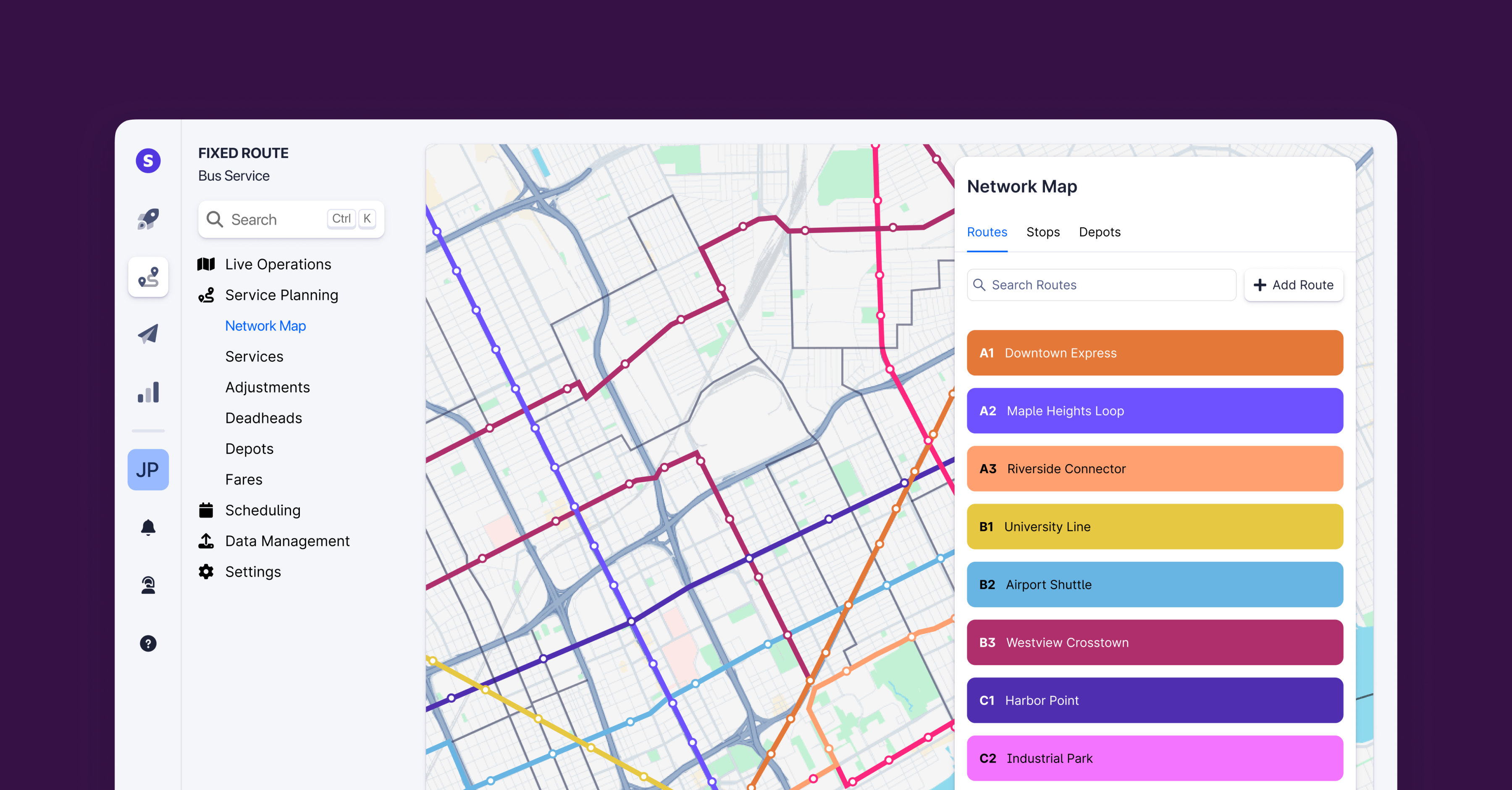
A shared view of the network was an important part of that decision. Instead of moving between different tools for different services, staff can work from a consistent map and experience across fixed route and paratransit.
CTP structured the purchase as a modification to its existing paratransit agreement. The project then moved through the City’s consent agenda, Finance Committee, procurement and legal review, and final City Council approval.
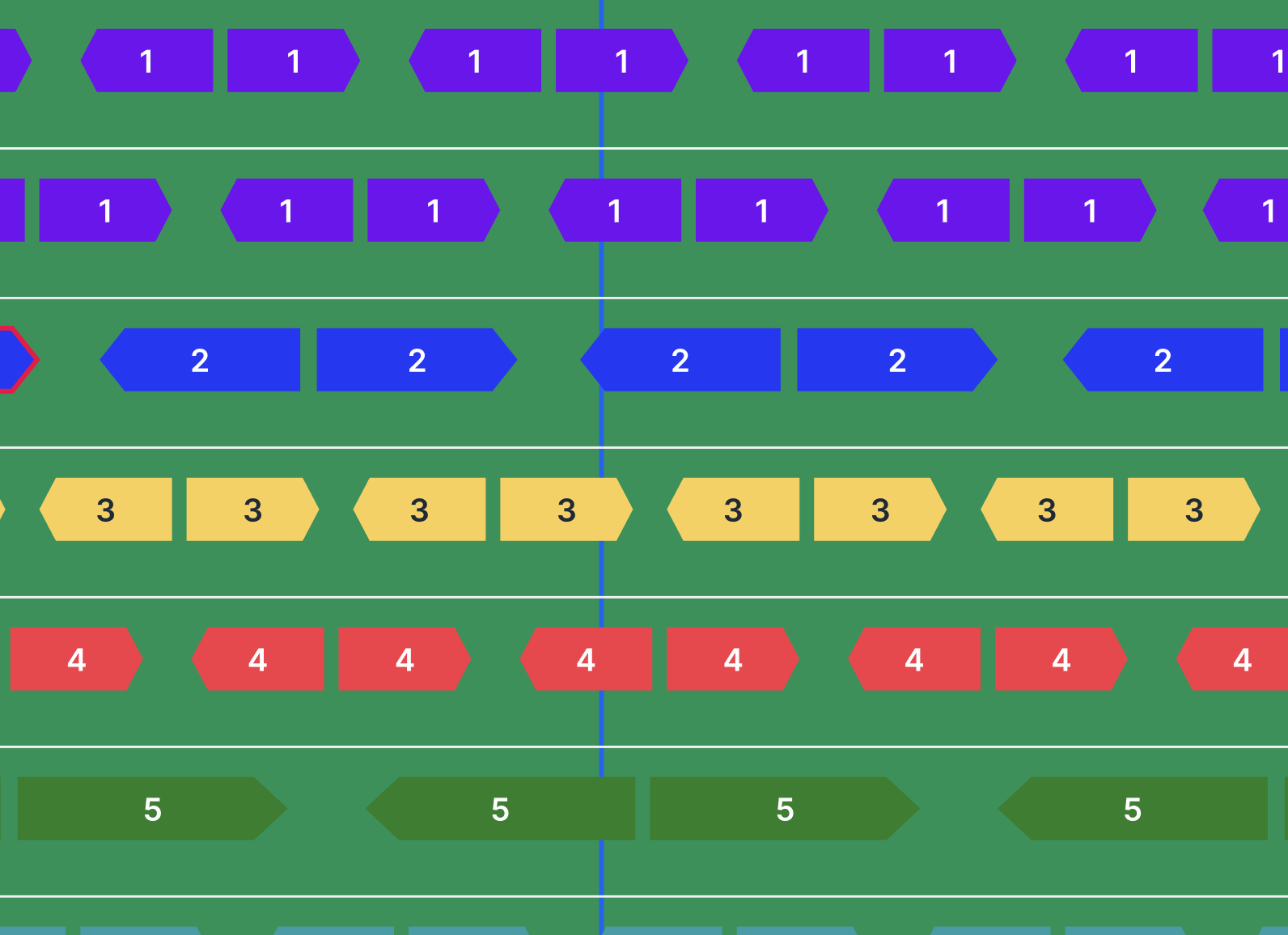
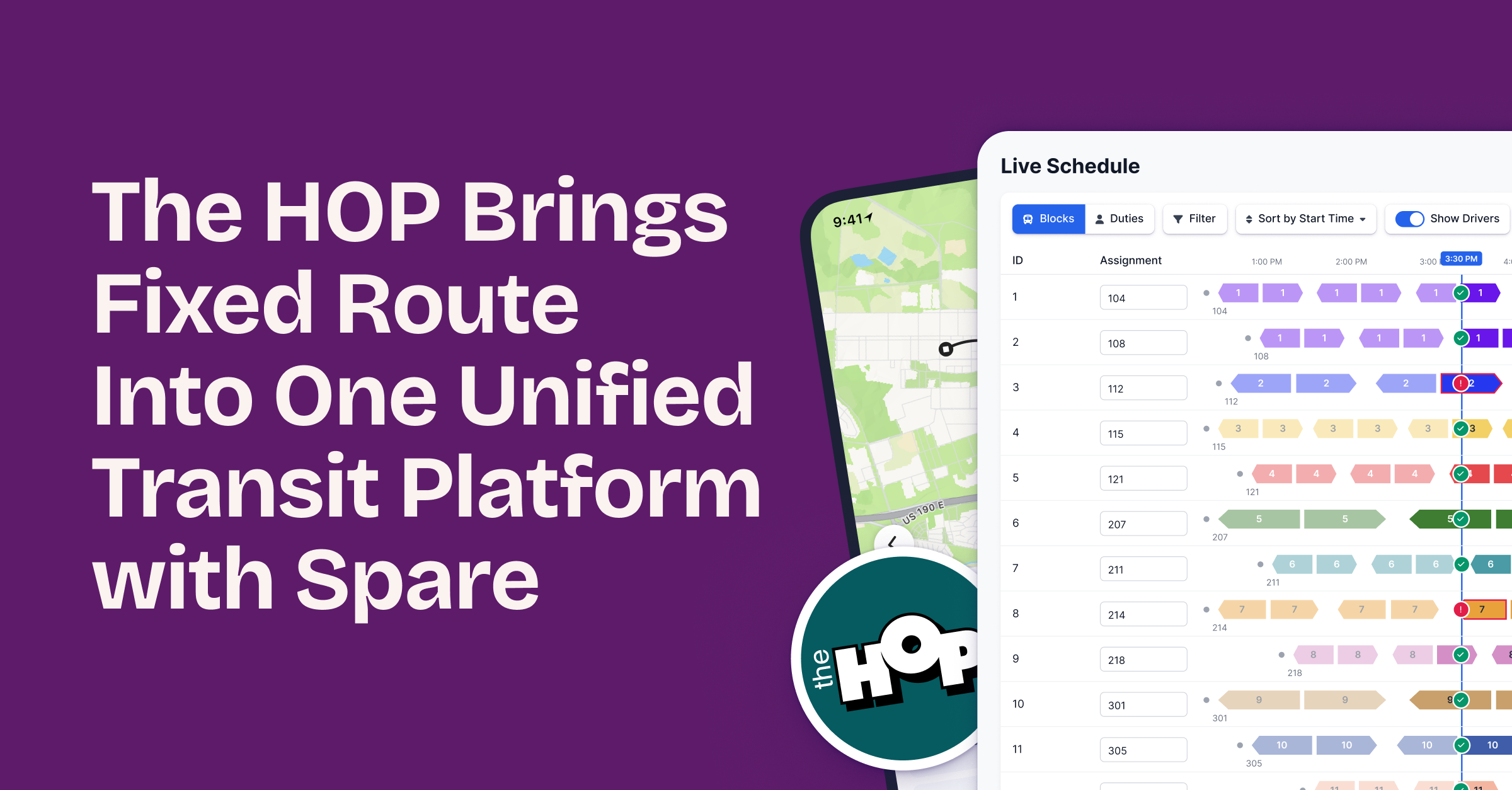
Today, CTP uses Spare Fixed Route for planning, scheduling, dispatch, and reporting. Operations staff can see vehicles moving across the network in real time, while real time GTFS feeds make live bus locations available to riders through Google Maps. Fixed route and paratransit can also come together in one rider experience.
The difference is visible across the network. Four routes that once depended heavily on static schedules and radio updates can now be viewed together on a live map, giving staff a much clearer picture of how service is operating throughout Cheyenne.
From hours of manual reporting to answers in under a minute
For CTP, one of the most significant changes has been how its team collects, verifies, and uses ridership data.
Previously, the agency relied on Sprint 4D to compile fixed route ridership information for planning and reporting. Each day, staff downloaded batches of ridership data from a server, imported them into Sprint 4D, and checked a master spreadsheet to make sure every route had been accounted for.
But collecting the data was only the beginning.
Each downloaded file had to be reviewed line by line for accuracy. Driver names, route information, start times, bus numbers, and occupancy figures regularly contained typos or inconsistent entries that staff needed to identify and correct manually.
At the end of each month, staff generated reports in Sprint 4D, separated ridership totals by route and day of the week, and manually calculated additional figures. Those results were then transferred into another spreadsheet to track monthly trends, changes, totals, and percentages.
Because CTP used separate systems for fixed route and paratransit, staff also had to combine data from both programs to understand overall ridership.
It was a time-consuming process that required multiple systems, spreadsheets, and repeated checks before the team could begin analyzing the results.
With Spare, that process looks very different.
Using Scout, CTP can now generate monthly fixed route ridership totals in under a minute. Staff can organize the information by route or other categories depending on what they need to understand, without manually compiling and correcting individual files.
Paratransit data is also available within the same platform, with staff able to retrieve the information simply by selecting a date range.
What previously required downloading files, reviewing individual records, reconciling spreadsheets, and combining information from separate systems can now be accomplished through a few simple queries.
For CTP, the improvement isn't just about saving time. It's about making ridership information easier to access and giving staff more opportunities to use it.
Turning everyday operations into better service decisions
That easier access to information is particularly valuable for a fare free transit network.
Without fare transactions to use as a proxy for ridership, CTP needs reliable operational data to understand how people are using its services and where improvements might be needed.
With Spare, the agency can look at ridership and cost by route, including vehicle revenue miles and deadhead miles. Staff can track wheelchair boardings by route and stop to better understand how the network serves riders with mobility needs. Stop activity can also help identify where demand is strongest and where service changes may have the greatest impact.
And because fixed route and paratransit data are now available through the same platform, CTP can more easily understand ridership across its services without manually combining reports from different systems.
This gives planners a more complete foundation for evaluating proposed changes, whether that's moving a stop, extending a route, or adjusting service to better match demand.
Instead of spending so much time preparing the data, staff can spend more time understanding what it means and how to act on it.
Understanding ridership while preparing for what comes next
CTP's early ridership reporting also shows why having accurate, accessible data matters when evaluating service changes.
The agency recorded 12,308 fixed route boardings in July 2026 and 16,755 in August, when it transitioned its ridership tracking to Spare partway through the month. In September, its first full month of reporting through Spare, CTP recorded 13,053 fixed route boardings.
The decrease from August to September followed the conclusion of a pilot circular route, highlighting how changes to the network can influence overall ridership.
For CTP, having ridership information readily available makes it easier to understand those shifts in the context of service changes rather than looking at totals in isolation. As Cheyenne grows and Westland begins to influence travel patterns, that visibility will become increasingly important.
A proposed route extension or stop change can be considered alongside actual ridership, mileage, accessibility, and operational data. Dispatchers can see what is happening on the road. Riders can get live information about their buses. And planners have a clearer view of where people are traveling today.
For CTP, bringing fixed route onto Spare isn't simply about replacing one piece of software. It's about connecting its services, reducing the manual work behind everyday reporting, and giving the agency the information it needs to make its next service decision with confidence, while giving riders a more connected and predictable experience today.


From the blog


“Once we unified dedicated vehicles and TNCs on a single platform, the experience changed immediately for riders. They could see their trip in real time, understand their fare, and know what to expect. From a staff perspective, it eliminated confusion and allowed us to focus on service instead of troubleshooting.”