From the Vendor Side to the Front Lines, Joanne Rooney Knows Transit's Gaps

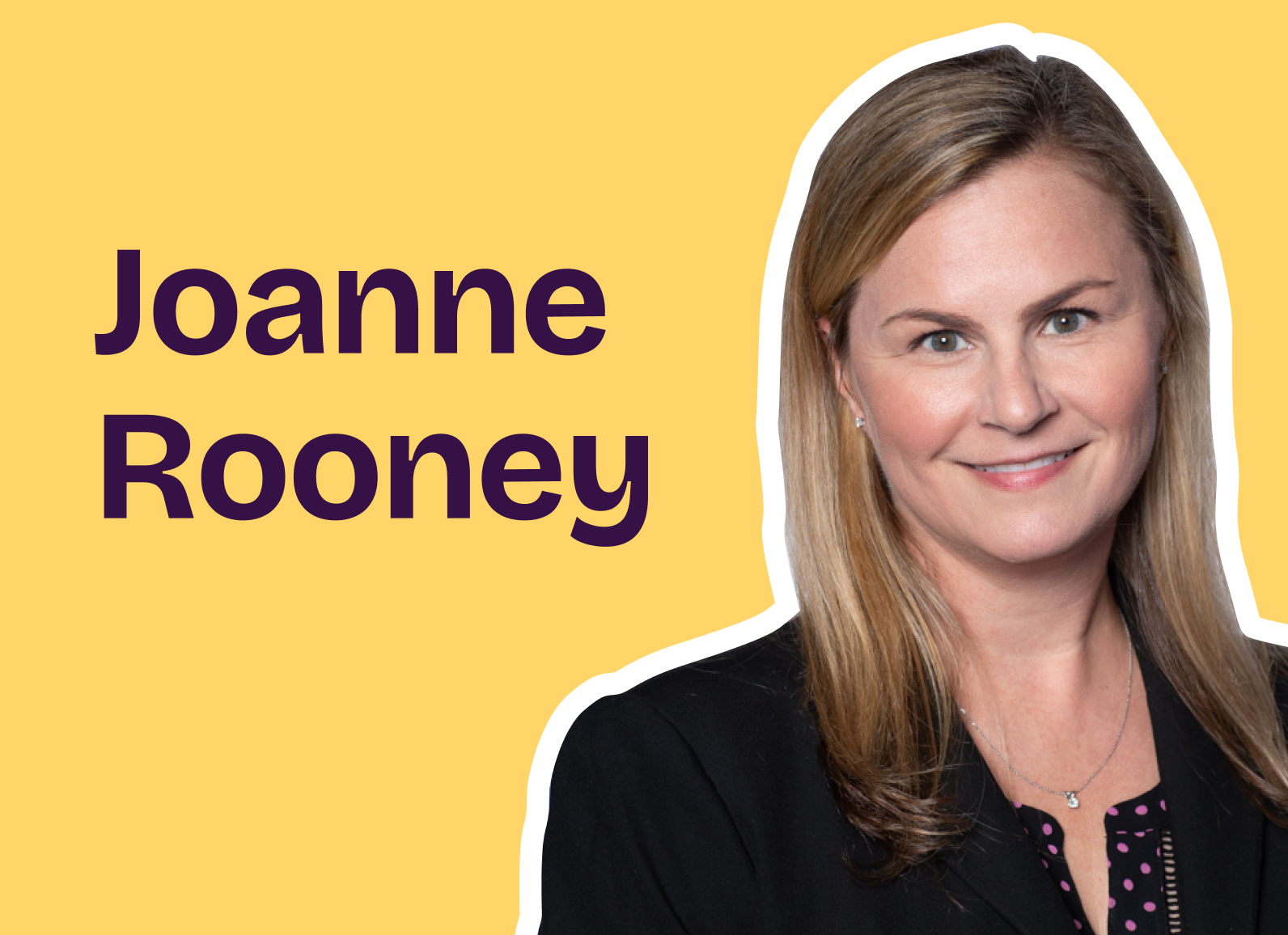
Joanne Rooney has spent her entire career on the vendor side of transit. Six and a half years at Clean Energy Fuels, working with agencies on fueling infrastructure for transit buses. Almost five years at a transit software company, touching scheduling, operations, maintenance, and demand response. A few more stops after that, each one adding to a picture of what agencies actually need from the companies trying to serve them.
Now she's joined Spare as a Key Account Manager, and she's bringing all of that experience with her.
Falling into transit by accident
Joanne didn't set out to work in transit. Early in her career, she was looking for work that combined environmental impact with community, and that search led her to Clean Energy Fuels.
"They happened to place me in their transit division, and something just clicked," Joanne says. "I stayed for six and a half years before realizing I wanted to get back into technology."
That move took her to a transit software company, where she saw the full spread of transit technology up close, scheduling, operations, maintenance, demand response, and watched agencies try to stitch it all together. She's carried that same thread through every role since.
"I'm passionate about moving people efficiently, supporting the communities that need it most, and doing it all sustainably," she says. "Transit does all of that. This industry is home."
The gap she kept running into
Working exclusively on the vendor side gave Joanne a specific kind of education. Agencies of every size, she found, run into the same wall.
"Agencies are trying to do more with constrained budgets, serve increasingly complex ridership needs, and make confident decisions often without the data infrastructure to back them up," she says.
For Joanne, the biggest gap has always been connectivity. Agencies have known for years that a connected operation runs better, but the technology hasn't caught up. Scheduling lives in one system, maintenance in another, demand response somewhere else entirely, none of it talking to each other.
"When your data is fragmented across multiple different platforms, your visibility is limited and so is your ability to plan, optimize, or respond quickly when things go wrong," she says.
Why Spare, why now
Joanne had been watching Spare for a while before she joined. What caught her attention first was the pace of Spare's growth in paratransit, large agencies utilizing the platform, deployment timelines faster than anything she'd seen. What kept her attention was the expansion into asset management and beyond, all built on a single platform instead of bolted together after the fact.
"A platform like that means an agency can finally see its whole operation clearly and make decisions based on real, current data instead of guesswork," she says. "That's the kind of impact that gets me excited."
Joanne has spent years around products built to solve one specific problem well. Those products worked, but agencies don't have one problem at a time. They have interconnected ones, and managing a fragmented software landscape wears them down.
"What Spare is building is a platform that lets agencies consolidate: one place for demand response, microtransit, asset management, and fixed route," she says. "I hadn't seen that level of integration ambition matched with actual delivery before, and it stood out immediately."
What years on the vendor side means for customers now
Joanne has spent nearly her whole career listening to agency leaders talk about what's working and what isn't. Stepping into a Key Account Manager role, that history changes how she shows up.
"I already understand the pressures they're under: budget cycles, board accountability, service mandates, rider expectations. I speak the language," she says.
That understanding shapes what she sees as her job. Not selling something and moving on, but staying close enough to an agency's plans to help them see what's coming.
"If I can help an agency see around corners, whether that's planning for growth, navigating a new initiative, or making the case internally for what they need, that's the job," she says.
Trust first
Ask Joanne what makes a good vendor relationship, and she doesn't start with the product.
"Trust and honesty, first," she says. "A great vendor relationship is one where the agency feels like they have a real partner, someone who will tell them the truth even when it's inconvenient, who shows up consistently, not just when there's a renewal on the horizon."
She sees that instinct at Spare beyond the pitch decks.
"Even in my short time here, I can already see that this isn't just a talking point at Spare," she says. "There's a real instinct across the company to get it right for our customers, not just get the deal done. That's not something you can fake."
Looking ahead
Joanne's read on agencies still running legacy systems is succinct. "When you can't see across your whole operation in real time, you're always reacting rather than planning," she says. "Agencies on modern, integrated platforms aren't just more efficient. They're more agile."
What keeps her in this industry goes beyond any one platform. It's the people who show up every day for their riders and the communities that depend on them.
"Transit is one of the most sustainable ways we have to move people," Joanne says. "But beyond sustainability, transit is a lifeline. If I can bring agencies stronger tools and smarter solutions, I'm helping them be more effective, serve more riders, stretch their budgets further, and be better stewards of public trust and dollars. That's the job, and it's one worth doing."






“Once we unified dedicated vehicles and TNCs on a single platform, the experience changed immediately for riders. They could see their trip in real time, understand their fare, and know what to expect. From a staff perspective, it eliminated confusion and allowed us to focus on service instead of troubleshooting.”