What Modern Paratransit Software Looks Like in 2026 and How Agencies Can Evaluate AI Across the Service Lifecycle

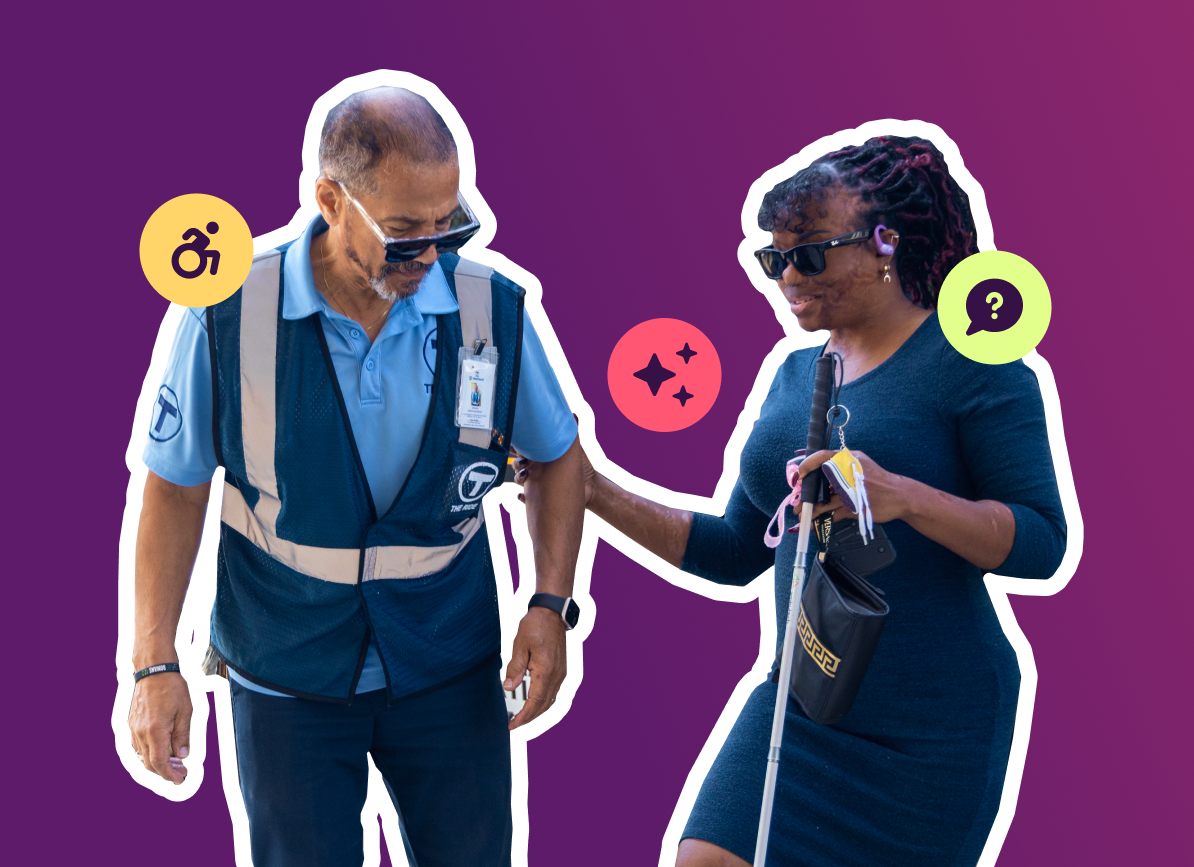
Paratransit demands more than operational precision. It requires systems that support independence for riders who rely on service that’s accessible, reliable, and responsive to real-world conditions.
That’s why modern paratransit platforms can’t be evaluated on scheduling alone. It has to support the full service lifecycle, from eligibility and intake through booking, scheduling, day-of-service operations, and reporting, in a way that works for riders, caregivers, eligibility teams, reservationists, schedulers, dispatchers, and agency leaders.
When those stages are disconnected, everyone feels it. Staff spend more time switching systems and re-entering information. Riders have to repeat themselves. Dispatchers lose visibility into what’s happening in the field. Leaders struggle to understand what’s driving performance.
A modern platform should connect those workflows, not just digitize them. And increasingly, it should use AI in practical ways that reduce manual work, support better decisions, and improve the experience for both staff and riders.

Eligibility and intake should be easier for riders and more efficient for staff
For many riders, eligibility is their first experience with paratransit. If that process is slow, confusing, or paper-heavy, it creates friction before the first trip is ever booked.
A modern intake experience should make it easier for riders and caregivers to submit information, understand what’s needed, and stay informed. At the same time, eligibility teams should be able to move faster, spending less time on paperwork and more time on decisions that require judgment.
That’s where Spare’s AI Scan and Engage Rider Hub make a difference. AI Scan helps streamline document processing and reduce manual review, while Engage Rider Hub gives riders a more centralized and transparent intake experience.
This stage also shouldn’t exist in isolation. Accessibility needs captured during intake should carry through into booking, scheduling, and service delivery so the rider profile follows the rider.
Questions agencies should ask about AI at this stage
- Can AI reduce manual document handling without compromising oversight?
- How does the system improve transparency for riders during intake?
- Do accessibility needs captured during eligibility flow into the rest of the service lifecycle?
- Is AI removing friction, or just sitting on top of a fragmented workflow?

Booking should reflect how paratransit riders actually access service
Paratransit booking isn’t like booking in other modes. Many riders prefer the phone. Some rely on caregivers or care staff. Others need a more guided interaction because of mobility, cognitive, or accessibility considerations.
A modern booking experience should support both digital and phone-first interactions without assuming self-service is the only path to convenience.
For reservationists, that means better tools for handling complexity. Spare’s Trip Negotiation helps staff manage constrained booking scenarios more effectively, while Group Trips makes it easier to coordinate travel for multiple riders.
Phone-based service also remains essential. Spare’s AI Voice supports bookings, cancellations, trip changes, ETA requests, and common rider questions through a more accessible voice experience. At the same time, agencies can offer Spare One for riders who prefer self-service.
The goal isn’t to push one channel over another. It’s to give riders and staff the flexibility to use the channel that works best for them.
Questions agencies should ask about AI at this stage
- Does the platform support the channels paratransit riders actually use?
- Can AI improve phone-based interactions, not just digital self-service?
- How does the system support complex workflows like negotiated trips and group bookings?
- Does AI reduce pressure on reservation teams while preserving a high-quality rider experience?

Scheduling should balance efficiency, accessibility, and real-world conditions
Scheduling is one of the clearest tests of whether a paratransit platform is truly modern.
It’s not enough to assign trips to vehicles. A modern scheduling system should account for rider needs, pickup windows, service rules, vehicle capabilities, and live operating conditions while improving both productivity and on-time performance.
That’s where Spare’s AI-powered engine, combined with Google Live Traffic, has real operational impact. Together, these capabilities help agencies build schedules based on what’s actually happening on the road, not just what looks efficient on paper. That improves on-time performance and productivity by matching the right riders with the right vehicle types, including vehicles that can accommodate specific accessibility needs.
In paratransit, efficiency can’t come at the expense of rider fit. A schedule only works if it supports both reliable service and the accessibility requirements of the person taking the trip.
Questions agencies should ask about AI at this stage
- How does the scheduling engine account for rider accessibility needs and vehicle fit?
- Is live traffic incorporated into planning decisions?
- Can the system improve on-time performance without reducing service quality?
- Is AI helping schedulers make better decisions, or creating a black box they can’t trust?
Day-of-service operations should help dispatchers respond to what’s happening on the ground
Paratransit is difficult because live service rarely unfolds exactly as planned. Traffic changes, delays happen, riders need assistance, and conditions shift throughout the day. In a mode this complex, day-of-service success depends on more than having a schedule. It depends on visibility and the ability to act on what’s actually happening on the ground.
For dispatchers, that means more than a static view of the day’s runs. They need real-time visibility into service, where risk is emerging, and where intervention may be needed before a small issue becomes a larger disruption.
That’s why visibility tooling matters so much in paratransit. Dispatchers need clear insight into vehicle locations, schedule adherence, late-trip risk, service exceptions, and overall service health. Drivers need timely updates, clear manifests, and the right trip information in the field. Riders need accurate ETAs and better communication when plans change.
This is where Spare plays an important role. Spare gives dispatchers the tools to operate based on what’s happening in real time, not just what was planned earlier in the day. With live operational visibility, teams can see where service is running to plan, where trips need attention, and where intervention will have the greatest impact.
The right tooling helps teams catch issues earlier, make faster decisions, and keep service moving when disruptions occur. And because paratransit is a high-touch mode, human judgment still matters. AI and automation can surface what needs attention, but dispatchers still need the visibility, context, and control to respond effectively.
Questions agencies should ask about AI at this stage
- Does the platform give dispatchers actionable visibility, not just data?
- Can AI surface risks and exceptions early enough for teams to respond?
- How are riders and drivers kept informed as service changes in real time?
- Does the system support human judgment, or make live operations harder to interpret?
Reporting should turn performance data into operational insight
Reporting shouldn’t be the end of the process. In a modern paratransit platform, it should support continuous improvement.
Agency leaders need to understand performance across the full lifecycle. Operations managers need to spot trends, investigate root causes, and see what’s changing over time. Teams shouldn’t have to rely on disconnected reports or manual analysis every time a new question comes up.
That’s where strong analytics tooling matters. Spare’s Analytics gives agencies a clearer view of both operational and rider-facing performance, making it easier to track on-time performance, service reliability, productivity, cancellations, no-shows, late trips, and broader service trends. Just as importantly, it helps teams move beyond static reporting by identifying patterns, surfacing performance gaps, and showing where service, staffing, or workflows may need to change.
In a modern platform, reporting should help agencies understand not just what happened, but why it happened and where to focus next.
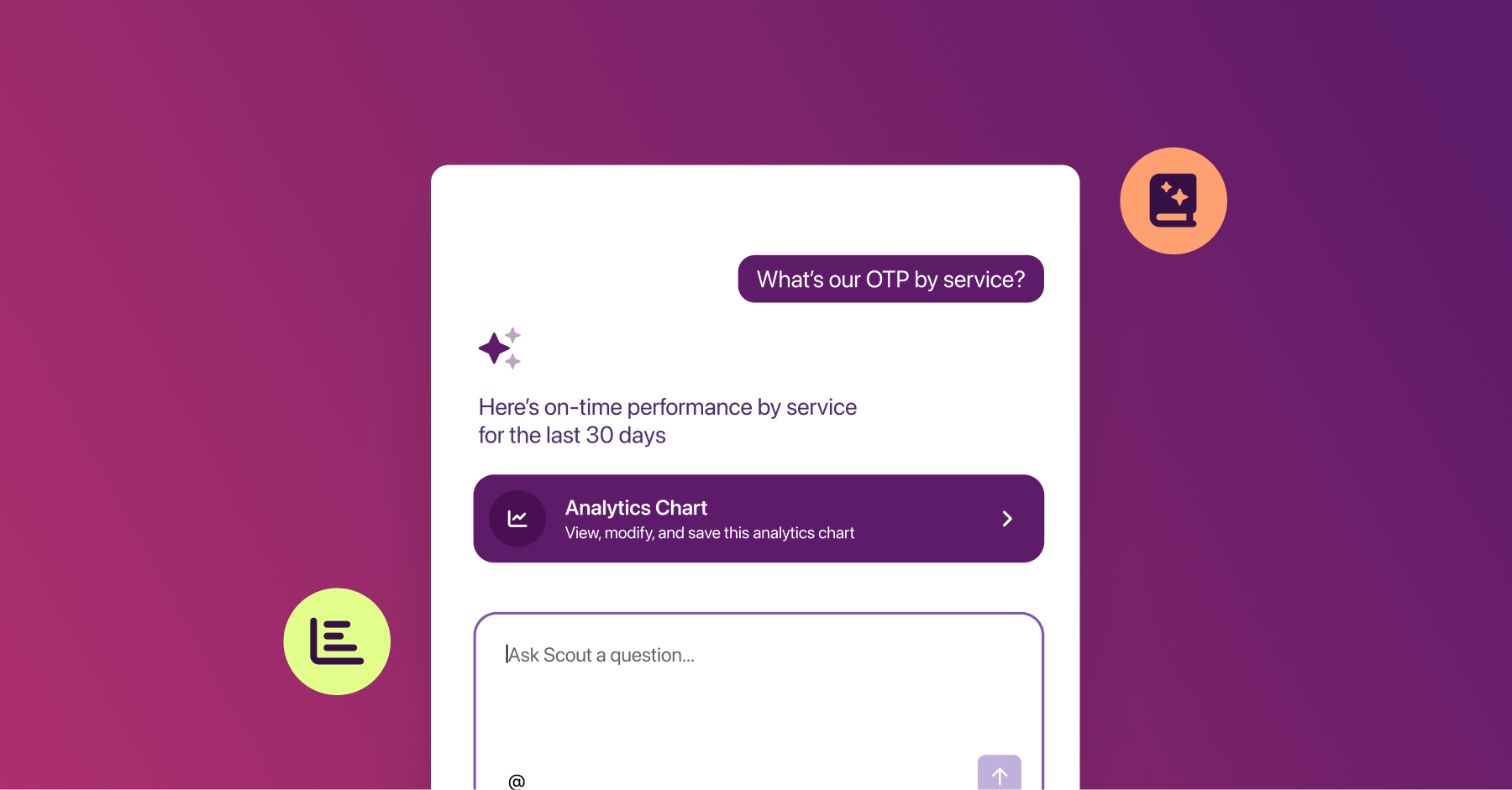
Looking ahead, that’s also where Spare’s Scout comes in. Scout has the opportunity to go beyond dashboards by helping agencies get answers and recommendations based on what they’re actually trying to understand about service. Instead of only surfacing data, Scout can help interpret performance, identify likely drivers, and point teams toward actions worth considering.
The most effective reporting environments don’t just document outcomes. They help agencies improve them.
Questions agencies should ask about AI at this stage
- Does the platform make it easier to understand why performance is changing?
- Can analytics help teams move from reporting to action?
- Are insights accessible to the people who need them, not just technical users?
- Is AI positioned as a practical decision-support tool rather than just a dashboard feature?
What a modern paratransit system should deliver
Paratransit software should do more than support operations behind the scenes. It should help agencies deliver a service that’s more connected, more responsive, and better aligned with the needs of the people who rely on it.
A modern paratransit system should give
- Eligibility teams faster, more consistent intake workflows
- Reservationists better tools for trip negotiation, group trips, and phone-based service
- Schedulers the ability to optimize around accessibility, vehicle fit, and live traffic conditions
- Dispatchers visibility into what’s happening on the ground and the tools to act on it
- Agency leaders analytics that help them understand and improve performance
- Riders and caregivers a clearer, more responsive experience from intake through trip completion
The strongest systems support the full lifecycle. They reduce friction at intake, make booking more flexible, improve scheduling quality, give dispatchers better day-of-service visibility, and turn reporting into insight. And they use AI where it has the greatest practical value, reducing manual work, improving responsiveness, and helping teams make better decisions with confidence.


From the blog

.png)


“Once we unified dedicated vehicles and TNCs on a single platform, the experience changed immediately for riders. They could see their trip in real time, understand their fare, and know what to expect. From a staff perspective, it eliminated confusion and allowed us to focus on service instead of troubleshooting.”