

Driving Independence Through GoDurham ACCESS

For many of our riders, taking the bus is not an option because they can’t get to a bus stop or there are limitations they face that don’t enable them to meet the bus.

When GoDurham transitioned from legacy software to Spare, the objective wasn't simply to replace technology, but to improve outcomes across the entire system. GoDurham ACCESS has raised on-time performance to approximately 93%, up from 88–89% under its previous system. That improvement means more riders arrive at medical appointments, jobs, and essential services when they expect to. It also gives dispatchers and drivers a more predictable day, reducing last-minute scrambles and service disruptions.
These gains reflect a focused effort to modernize paratransit operations and strengthen reliability for Durham residents who cannot use fixed-route buses. For many riders, fixed-route service is not a viable option. Some cannot safely reach a bus stop. Others have mobility needs that make long waits or transfers difficult.
“For many of our riders, taking the bus is not an option because they can’t get to a bus stop or there are limitations they face that don’t enable them to meet the bus.”
- Brian Fahey, Durham Mobility Services Manager
By partnering with Spare to improve operational visibility and streamline scheduling, GoDurham ACCESS has built a service that riders can count on, creating greater trust in the system, and a stronger connection between the agency and the community it serves.
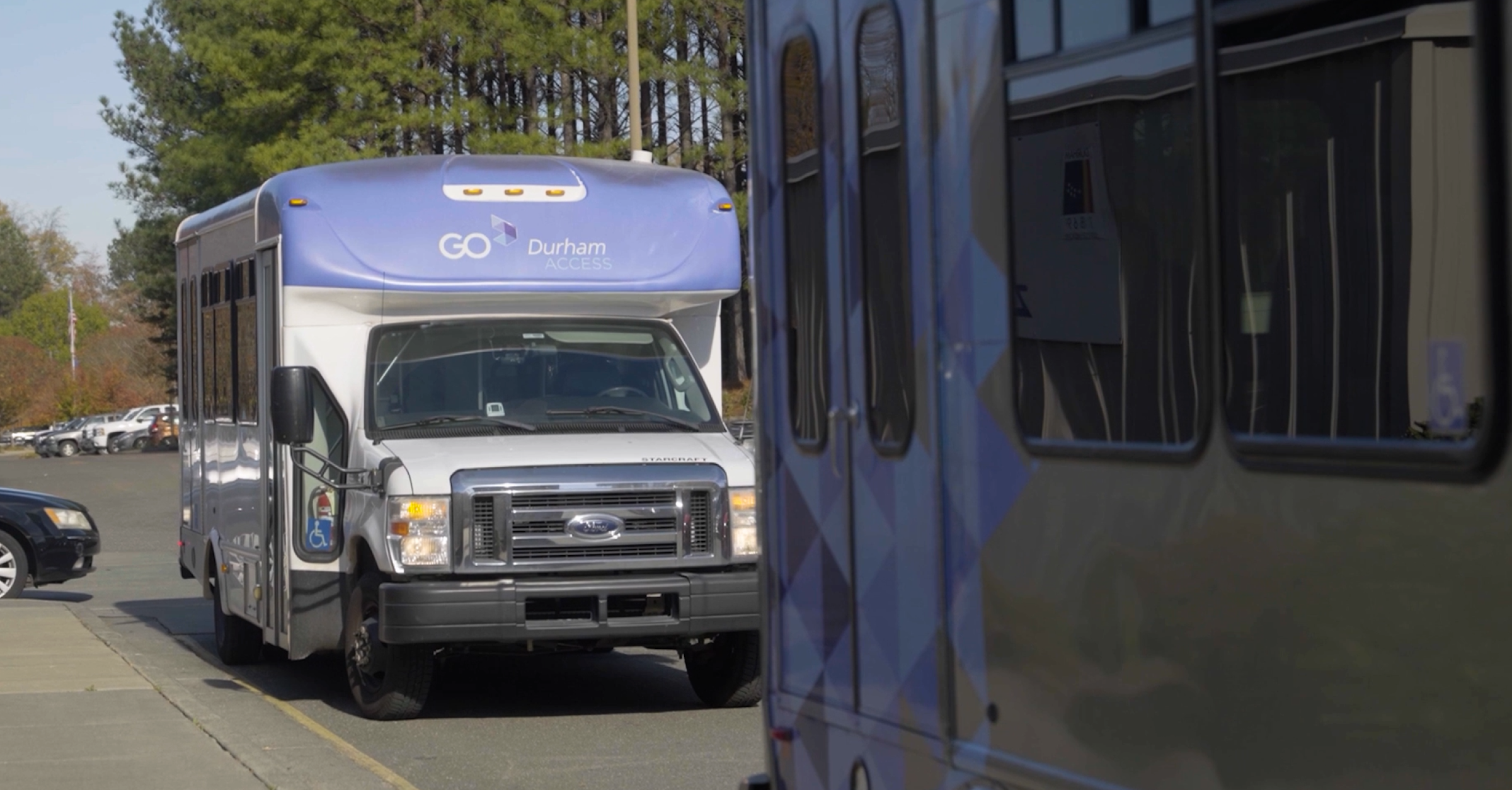
Measurable change since launch
OTP has climbed to approximately 93%, up from 88–89% under the prior system, while dedicated vehicle productivity has increased by 15%. It’s rare to see both of these improve at the same time, but Durham is now delivering more trips and with a higher quality of service.
At the same time, digital tools have transformed the customer experience. Now 21% of riders book through self-serve mobile and web channels, AI Voice has improved after hours service, offering 24/7 bookings as well as reduced hold times by automatically routing calls when agents are busy , while improved notifications have driven more than a 30% reduction in no-shows. Behind the scenes, automated scheduling, real-time dispatch visibility, and integrated analytics have streamlined day-of operations and strengthened reporting across programs.
For riders like GoDurham Access customer Ed Rizzuto, these changes represent more than operational improvements, they represent progress.
“I’ve been advocating for modernization of the paratransit system for a long time, so I’m really proud of the strides GoDurham ACCESS has made to enhance the service. As someone who is blind, my ability to get around has always been limited. With the app and the expanded service options, I can move around the city much more efficiently and independently, with a lot more ease and a lot less stress.”
- Ed Rizzuto, GoDurham ACCESS Customer
Together, these results mark a significant step forward in delivering more reliable, accessible, and data-driven paratransit service for the Durham community.
Riders gained independence and reliability
Under the legacy system, riders depended heavily on phone calls to book trips and receive updates, often waiting on hold for information about arrival times or changes. Today, GoDurham offers a fundamentally different experience. Riders can book, cancel, and track trips through an intuitive app or web platform. 21% of ADA and Access riders now use digital self-service tools, far surpassing industry standards. Real-time notifications delivered via app, SMS, and email provide continuous visibility into trip status, reducing uncertainty, and missed connections.
These improvements have translated directly into performance gains.
- On-time performance has risen to approximately 93%, up from roughly 88–89% under the prior system
- Optimized routing has reduced average trip times from about 32 minutes to 23 minutes, across 750 trips a day.
- Clearer communication and better visibility have also driven a meaningful decline in missed trips, with no-shows falling from over 4% to 2.5%, a reduction of more than 30%.
At the same time, AI Voice now supports after-hours bookings and manages call overflow during peak periods, dramatically reducing wait times and ensuring that riders always have access to assistance when they need it. The result is a service that feels more predictable, more transparent, and more aligned with modern expectations.
Additionally, Spare Resolve has opened up the ability for riders to submit complaints and commendations online or via our AI agent - meaning riders never have to wait to have their voice heard.
For Ed, the impact is personal.
“I’m proud of the city for embracing modernization. It shows a real commitment to riders like me, and I’m excited to see what’s next as they continue to enhance and improve the service.”
The result is a service that feels more predictable, more transparent, and more aligned with modern expectations, and one that empowers riders with greater independence and confidence in their daily travel.
Dispatch moved from reactive to proactive and empowered
Behind the scenes, the operational shift has been just as significant. Previously, dispatchers spent much of their day manually adjusting routes, responding to high call volumes, and reacting to service disruptions without real-time fleet visibility. The introduction of Spare’s optimization engine and live operational tools fundamentally changed that workflow.
Trips are now dynamically optimized in real time, reducing the need for manual reshuffling, particularly during peak demand and subscription movements. Active Dispatch, Watchlist, and Live Map tools provide a single, real-time view of fleet health and service performance, allowing staff to identify potential issues early and intervene before they escalate.
Integrated Google Maps Live Traffic ensures drivers receive up-to-date routing information that accounts for construction and congestion, further reducing dispatcher burden. With riders receiving automated notifications and self-serve visibility, inbound call demand has decreased substantially, easing the strain on dispatch and allowing staff to focus on managing service quality rather than answering routine status inquiries.
Operational productivity has improved alongside these workflow changes. Dedicated vehicle utilization increased by 15%, with passengers per vehicle hour rising from 1.51 to 1.74, demonstrating that Durham has improved efficiency without expanding fleet size. The operational environment has shifted from constant reaction to confident, proactive control.
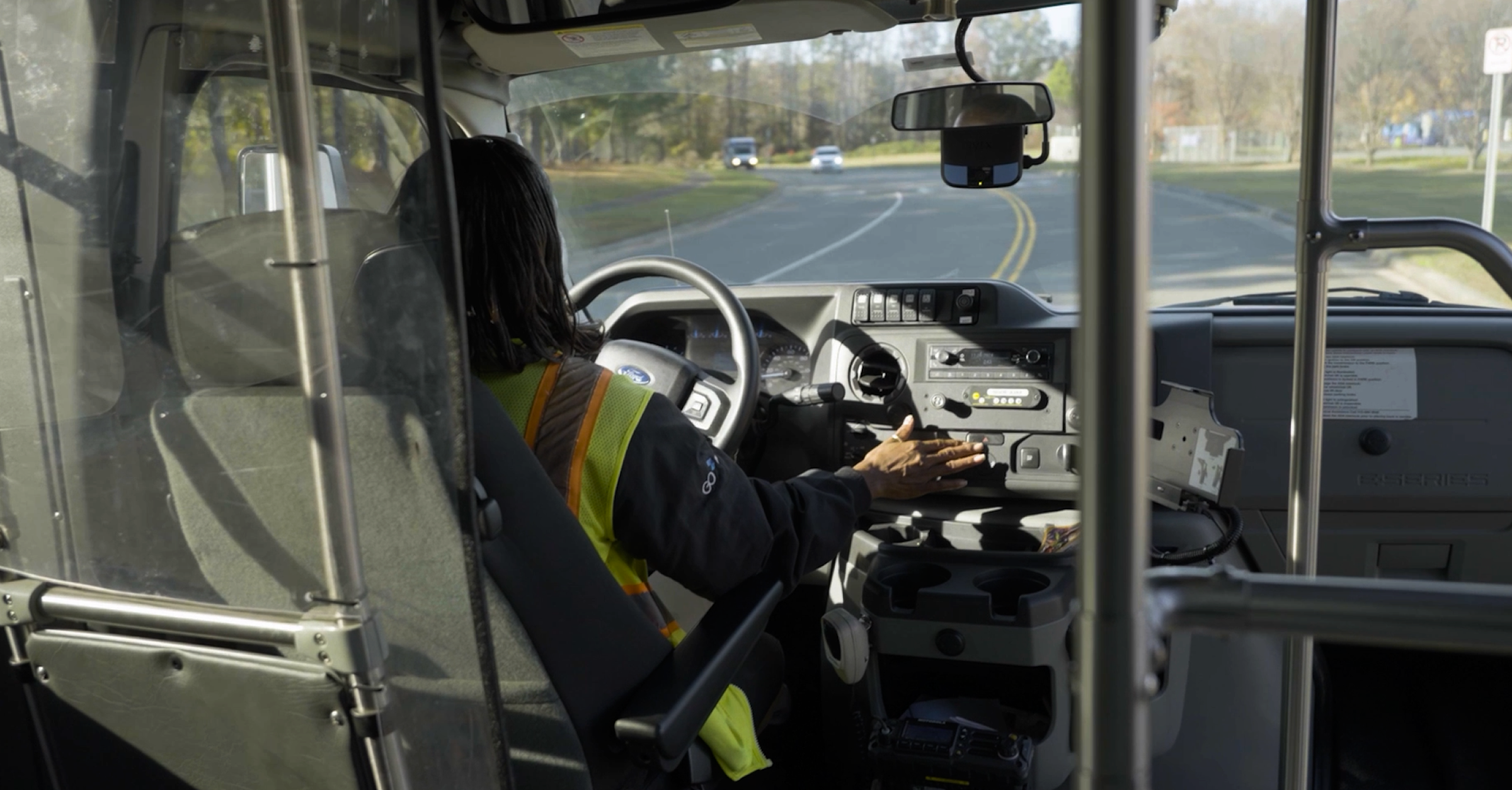
Data turned into a strategic advantage
Modernizing service delivery also required modernizing performance management. With Spare Analytics, Durham now has streamlined monthly and NTD reporting across ADA paratransit, microtransit, and countywide programs. This has reduced administrative friction while improving transparency. Leadership can now access operator-specific reporting views to better understand service allocation and efficiency across providers.
Beyond compliance reporting, analytics are now embedded into daily improvement efforts. Customized dashboards support driver performance commendation programs, and provide detailed visibility into no-show trends by rider, enabling targeted outreach and intervention strategies. What was once retrospective reporting has evolved into an active management tool that supports continuous improvement and stronger accountability.
Built for performance, designed for access
Since launching with Spare, GoDurham has evolved from a constrained legacy system into a unified, flexible, and performance-driven mobility platform. Riders experience shorter trips, fewer missed connections, and greater independence. Dispatchers operate with real-time clarity and less manual strain. And leadership makes decisions grounded in timely, actionable data.
The results demonstrate that modernization in paratransit isn’t simply about software, it’s about creating a system that works better for everyone it serves.